
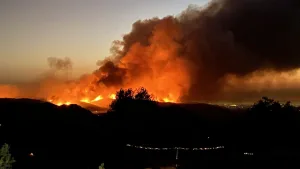
 Since August 13, 2026, Indigenous Services has tracked 21 First Nations communities evacuated due to wildfires. This is against the backdrop of 86 Wildland fires in natural landscapes impacting First Nations since April 1st. Almost 2,000 evacuees face losing their homes, and 32 additional First Nations are facing the impacts.
These effects are frightening and life-altering for entire First Nations. Potential homeowners may be wondering: is building a home a good investment? Although the realities are discouraging, First Nations are reviving and generating solutions in the brilliant ways that have sustained our Nations since time immemorial.
Acknowledging the fiery impact of colonial and global forces
Forced relocation onto reserves is a primary reason that Indigenous people are 30 times more likely to be affected by wildfires than the non-Indigenous population in Canada. Reserves tend to be in remote, forested regions that weren’t as attractive to settlers.
On top of this, responsibilities for First Nations health, energy, and housing fall across federal, territorial, and provincial jurisdictions, and these areas are also affected by municipal decision-making. These national, provincial, and territorial approaches are funded separately in “siloes” without the capacity to link safety, well-being, energy efficiency, and climate resilience on an ongoing basis. First Nations lack the financial support at federal and provincial levels to implement wildfire risk management, and the authority to hold other governments accountable.
The violent force of colonial expansion lives today in the global political economy. Extinguishing Indigenous Peoples and tirelessly extracting natural resources permanently damaged the relationships with the land that Indigenous Peoples uphold. Now, economic, political, and historical systems allow the powerful to damage the climate through behaviours such as dependence on fossil fuels, deforestation, destruction of wetlands, and the encouragement of endless consumption.
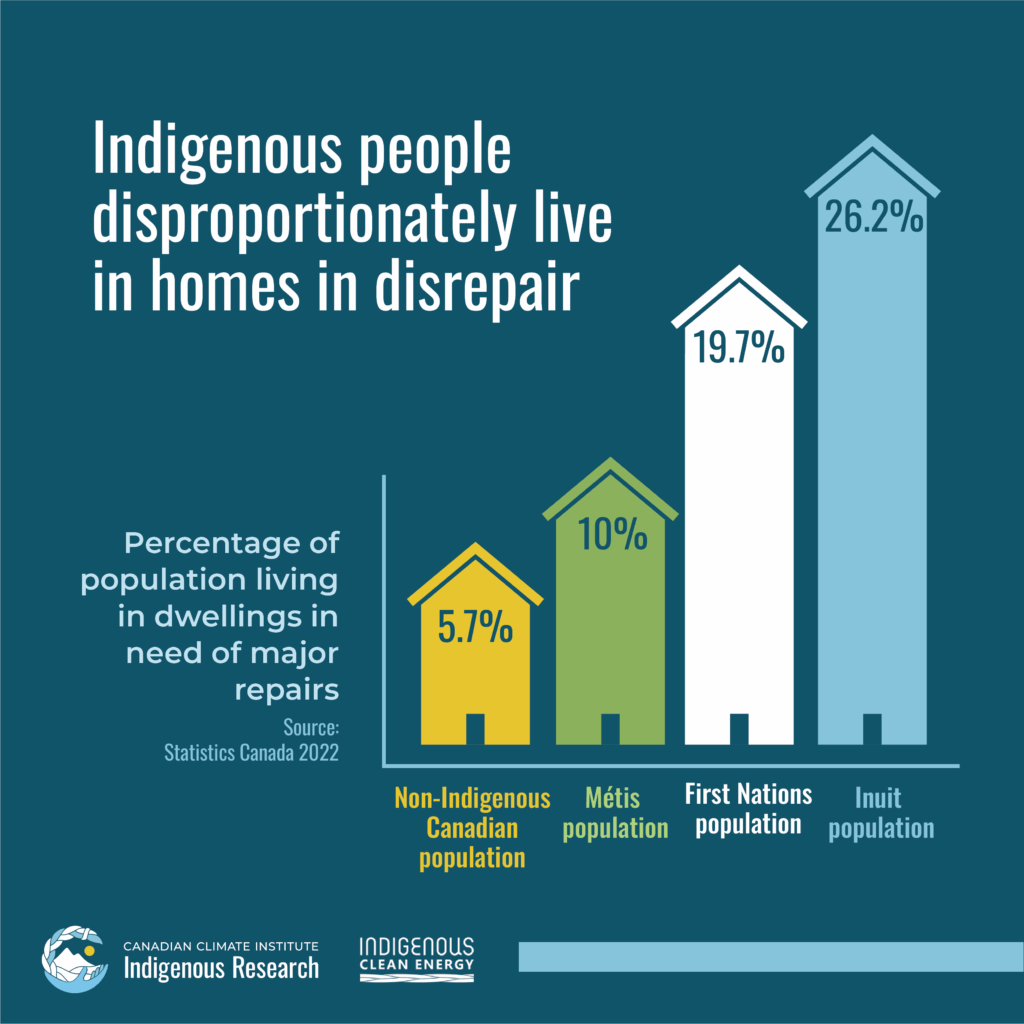
On the ground level, First Nations face challenges in maintaining infrastructure. Compared to the non-Indigenous population, First Nations are over 3 times more likely to live in homes in need of repair. Building and fire codes aren’t uniformly regulated across Nations, and there often aren’t enough building inspectors and firefighters in the community.
As Climate change will continue to increase temperatures and create drier conditions that invite more intense and longer-lasting wildfires, First Nations will continue to bear the majority of the colonial legacy imposed on Indigenous Peoples worldwide. Starting with the individual, here are 13 approaches First Nations are taking to reduce wildland fires, prepare for them, and reduce their harms.
1 Fire safety education and resident responsibility
The importance of preparing your residence for fire resilience is highlighted by Alan Westhaver, whose research on the 2017 Fort McMurray fire was sponsored by the Institute for Catastrophic Loss Reduction. Rather than flames or heat from the wildland fire, flying embers were responsible for igniting most of the homes.
Sealing gaps larger than 3 millimetres on roofs, doors, screen doors, windows, and other areas with a noncombustible material is key to securing your home. This includes ventilation areas, whose screens also shouldn’t have holes larger than 3 millimetres. A wooden deck can ignite and spread to the home, as can having leaves in the gutters.
Firesmart.ca offers this and other information to prepare buildings for fire resilience. This includes a visual map of the “home ignition zone,” the area that must be kept clear of brush or objects that can catch fire and ignite the home.
This article uses the terms “wildland” and “wildland fire” to describe vegetative fuel sources and the areas where those fires take place, including forest, grass, and brush fires. Fire experts also use the term wildland-urban interface (WUI) to describe where homes and other infrastructure are intermingled with wildland, increasing the likelihood that fire will spread to human-made structures.
2 Reclaiming controlled burns
The right to burn: barriers and opportunities for Indigenous-led fire stewardship in Canada, a paper led by Kira M. Hoffman and Métis researcher and fire specialist Dr Amy Cardinal Christianson, reminds us that Indigenous fire stewardship is not a thing of the past. It’s a “dynamic knowledge system that adapts to changing environmental conditions.”
There are many barriers to re-engaging in the cultural burning practices that maintained balance before colonization:
- Over 200 years of fire suppression techniques have resulted in fallen trees, dead leaves, and other fuel lining the forest floor. Labour-intensive forest thinning and mulching has to happen before communities can engage in controlled burns.
- Despite colonial mismanagement causing current conditions disproportionately affecting Indigenous communities, very little funding or support is available for Indigenous communities to do cultural burns.
- Surviving cultural knowledge may be difficult to access or pass on. Hoffman and Christianson also point out that “Indigenous perspectives and practices of fire stewardship remain unrecognized and nontransferable.”
Increasing financial support and resources for Indigenous fire stewardship that prevents and economically reduces wildfire risk within community interface areas and across territories will positively benefit all Canadians. The authors of the paper above recommend intergovernmental working groups to remove barriers to Indigenous stewardship in jurisdiction, liability, and land governance across the nation’s forests.
They also champion opening up wildfire science and management roles by supporting Indigenous-led fire practitioner accreditation. They are “not aware of any [postsecondary] courses focused on Indigenous fire stewardship, cultural fire ecology, or cultural burning.”
In her booklet documenting Indigenous communities’ contributions to wildfire prevention, Dr Christianson recommends that First Nations get in touch with FireSmart Canada and work with neighbouring Indigenous communities and orders of government for interagency collaborations and development of customized wildfire prevention and risk reduction based on cultural values, wise practices, and protocols.
“Today, the most promising examples of ongoing sustainable forest management and regeneration of degraded forest land are in the hands of Indigenous Peoples and local communities.”
- Dr Amy Cardinal Christianson
3 Healthy energy homes
A policy collaboration between the Canadian Climate Institute and Indigenous Clean Energy delivers calls to action and an economy-focused argument for developing Indigenous housing that’s energy-efficient and resilient to climate-related threats.
Building Strength Through Shelter notes that current approaches are inefficient due to duplication among federal, provincial, and territorial governments. They highlight that co-developing policies with Indigenous leadership will result in a range of funding models flexible enough to meet each Nation’s cultural needs and regional climate conditions. Long-term investments and multi-year funding are needed for First Nations to take control of sustainable housing construction, retrofits, and health monitoring.
The healthy homes described in the policy paper have lower energy bills and improve indoor air quality by ensuring airtight construction, installing energy-efficient appliances and lighting, and insulating to trap heat and reduce cooling needs. Even though the combined emissions of all First Nations homes are nothing compared to those of the corporate and billionaire classes, a well-fitted home will reduce greenhouse gas emissions and limit global warming.
Like the argument for returning prescribed burns to Indigenous hands, building community capacity for energy-efficient homes includes support for training, skill building, and jobs.
“Every dollar invested in Indigenous housing can provide a social return on investment of around $6.79, including an estimated $3.12 in government savings.”
-B.C. Aboriginal Housing Management Association
Access Indigenous Clean Energy’s mini-documentary to see how delivering hands-on housing and clean energy education directly into 15 Indigenous communities is making a difference.
4 Community-specific building standards
The scope of the 2023-2028 First Nations Fire Protection Strategy includes all fires, in response to the high statistical rates of fire-related deaths among First Nations people compared with non-First Nations people in Canada.
“Nationally, First Nations are approximately 10 times more likely to die in a fire than non-First Nations persons.”
- Statistics Canada
Supporting First Nations in developing, updating, or adopting existing local, provincial, and national building codes and standards to meet their shifting and distinct needs is a straightforward step within the strategy. Constructing new homes with hard-wired smoke and carbon monoxide alarms is an example of how this guidance is easy to apply.
Providing communities with education and prevention steps will encourage residents to install and maintain their own battery-operated smoke and carbon monoxide alarms, if their homes don’t have them.
5 Equipment and infrastructure updates on reserve
There is a huge gap between the telecommunications and water transportation capabilities of rural, remote and northern First Nations communities and those of the nation’s non-Indigenous majority. According to the Assembly of First Nations (AFN), infrastructure upgrades on reserves are key to reducing response times for First Nations fire departments.
The AFN has also passed a resolution supporting the National Indigenous Fire Safety Council (NIFSC) as it explores creating a National Indigenous Dispatch Centre to reduce response delays and manage communication breakdowns.
6 Dedicated fire chiefs or fire emergency coordinators
With fire threats looming large, each community is due a “dedicated and fully funded fire readiness leadership role to promote and manage their fire protection and emergency response needs.” As outlined in the fire strategy co-developed by Indigenous Services Canada (ISC) and the AFN, the size of a community shouldn’t dictate a Nation’s ability to promote fire readiness and responsiveness.
7 Increased professional capacity on reserve
The needs on reserve aren’t limited to fire management leadership. According to Dr Christianson’s Blazing the Trail, Nations’ needs include “forestry professionals and resource managers, Indigenous wildland fire managers, local Indigenous knowledge liaisons, Indigenous equipment operators, Indigenous wildland firefighters, risk management planning, and building inspections.” The Wildland Urban Interface Community Preparedness Tool outlines the community-specific roles and responsibilities necessary to prepare for and manage WUI fire risk effectively.
Community-based building inspections ensure that nation-specific building codes are honoured and provide an opportunity to identify simple or affordable fixes that residents can do themselves. In addition to skilled and knowledgeable workers in that area, communities’ specific needs can be best served by Indigenous fire underwriters whose assessments guide insurance rates.
8 Fire safety networking
The NIFSC is already fostering the networking needed to build Indigenous-designed and led building capacity at the Indigenous Public Safety Conference. This is where community leadership, emergency professionals, and industries providing public safety services to Indigenous Peoples can share innovations and strategies that are working. As more barriers to funding for on-reserve and in-industry roles in fire preparedness are lifted, awareness of educational programs and support systems can also be raised at these events.
9 Collecting fire data
The NIFSC also gathers and stores fire data self-reported by Indigenous communities. The National Incident Reporting System (NIRS) is a unique database that can analyze the causes, origins, and circumstances of fires to identify risks and draw attention to root causes at local, provincial, and national levels.
The NIRS ensures that the identification of trends, deficits, and emerging risks is Indigenous-led and is applied to future education, infrastructure, and economic planning through an Indigenous lens.
Self-reporting allows First Nations to help reduce future fires, fire-related injuries, property damage, and loss of life.
10 Funding
Nations are already stretched thin responding to the impacts of colonization, funding cycles resistant to implementing ongoing solutions, election cycles that may destabilize ongoing initiatives, and ongoing wildland fire emergencies. Applying for funding is extremely difficult within these limitations, but until power imbalances can be adequately addressed, here is how First Nations can receive federal funding:
- The Capital Facilities and Maintenance Program (CFMP) is a part of the First Nations Infrastructure Investment Plans (FNIIP) that ISC uses to assess individual communities’ infrastructure needs. The funding is not reliable, requires an annual submission, and is not a funding program. Instead, it serves as a ranking system to access time-limited, targeted funding programs. First Nations need to progress through education levels to achieve the training and infrastructure investment levels, rather than empowering communities to fulfil their safety needs effectively. Programs include the First Nation Infrastructure Fund (FNIF), Emergency Management Assistance Program (EMAP), and FireSmart program.
- The First Nation Adapt Program provides financial support for southern First Nations to assess and prepare for the impacts of climate change. It funds planning but not action.
The AFN has joined the NIFSC’s call to Indigenous Services Canada and Public Safety Canada to provide sustained funding and technical support for the NIFSC’s work, ensuring that all approaches are self-determined.
In addition to the conference and the NIRS, the NIFSC also delivers the National Firefighting Competition, manages structural, wildland, and interface fire programs, provides accredited training, and manages fire-related occupational health and mental safety risks like carcinogen exposure and post-traumatic stress.
11 Pooled First Nations insurance
Getting home insurance on reserve is difficult. The First Nations Finance Authority (FNFA) has put forward a solution to make home insurance and secure home ownership possible.
In 2025, the FNFA submitted a budget proposal to the Government of Canada seeking $104 million over 5 years to develop pooled insurance for First Nations. Their model envisions First Nations buying into collective property and casualty insurance. This includes financial protection from the climate-driven disasters that are disproportionately devastating Indigenous communities.
With greater buying power, Indigenous financial experts would have more equitable access to the global insurance market and the ability to influence available rates and policies. The objectives of Indigenous economic growth, cost stability, and intergenerational resilience would also benefit entire communities.
12 For-Indigenous, by-Indigenous small-scale insurance solutions
The First Nations Fire Protection Strategy asked all First Nations to get band-owned buildings insured for fire by 2025. Some Nations are self-insured, or work with Indigenous-led options.
Canada’s largest First Nations-owned insurance brokers, TIPI Insurance, offer diverse insruance services directly to consumers and to communities. This includes a Volunteer Firefighter Plan.
Brokers can help individuals or Nations find their best insurance options. Indigenous-led broker Alliant of First Nations (AFN) Insurance Brokers works exclusively with First Nation clients. Aboriginal Insurance Services Inc.(AIS) is an Indigenous-owned national insurance provider. Acera and AON have developed specialized coverage for Indigenous communities.
13 Reduced home insurance rates
On most reserves, property insurance is provided at the community level, and the cost may be shared between the band and homeowners. As rising insurance claims have moved insurance companies to recover losses by increasing insurance premiums, acting to reduce rates is necessary.
Fire insurance rates are driven by the level of fire protection within a First Nation. Critical factors include water supply, fire department capabilities, and emergency communications.
First Nations can improve their fire safety scores through maintaining critical infrastructure, including the implementation of home fire sprinklers. Incorporating Indigenous insurance brokers and resources into risk management planning is a smart way to foster industry-favoured solutions.
Investing in First Nations economies and solutions
Beyond being overly impacted by climate disaster, is critical to invest in First Nations-led fire risk management because it’s good business. First Nations have the knowledge and capabilities to adapt to amplified and spreading climate impacts. We must be at the forefront of collaborative efforts to prepare for today and tomorrow’s increased fire risks.
The federal government reports that Indigenous employment and skills programs generate a 45% return on investment. There’s little doubt that funding training, accreditations, and skilled trades related to fire management provides excellent social returns. Investing in sustainable housing saves money in health, supports stronger socioeconomic outcomes, and reduces climate impacts.
First Nations have provided the solutions that make homeownership on reserve a safe option. Building Resilient Housing Starts with Capacity. Learn more about our Capacity Development Program.